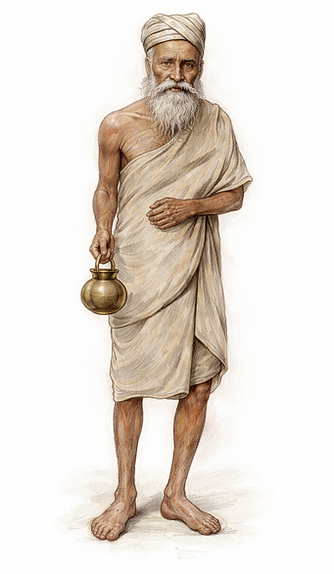
GURU GYANDIL DAS (1821–1883)
Guru Gyandil Das was born in Umchok village of eastern Nepal as Krishna Lamichaney. Though born into a Brahmin family, he strongly advocated spiritual equality and accessibility of Dharma for all sections of society.
He belonged to the Joshmani spiritual tradition and became widely respected as a saint, teacher, poet and reformer.
TEACHINGS & PHILOSOPHY
Guru Gyandil Das believed:
-
Dharma must be accessible to all people regardless of caste or social status
-
Excessive ritualism is not essential for spiritual growth
-
Guru guidance is central to liberation
-
Social reform, including widow remarriage, is necessary
-
Devotion and ethical living are the foundation of spirituality
His teachings emphasised simplicity, devotion and inner transformation rather than external display.
LITERARY CONTRIBUTIONS
Guru Gyandil Das was also a distinguished lover of Nepali literature and composed numerous poems, devotional songs and philosophical writings. He was a younger contemporary of Bhanu Bhakta Acharya. His literary work Udai Lahari continues to be studied at graduate and postgraduate levels in universities.
SACRED LEGACY
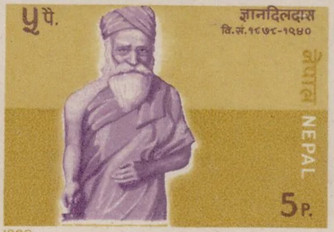
He died in Geiling, Western Sikkim, in 1883. The Nepal Government honored him by publishing a Saint Gyandil Das postage stamp in 1980. The Samadhi of Guru Gyandil Das at Guru Gyandil Dham remains a powerful spiritual centre and continues to attract devotees from various regions.